From Criticism to Creation Campaigning for Safer Practice.

Updated: Feb 18
For a long time, I was vocal on social media about the bad practices I saw in the hair extension industry. I’ll be the first to admit—I was a complete "Karen" about it. To anyone I may have offended during that time: I apologise. But my frustration came from a place of passion. I was tired of seeing clients with avoidable damage and stylists left out of pocket.
The Education Gap
Eventually, I realised that complaining wasn't the answer. If I wanted the industry to change, I had to be part of the solution. That is exactly why the Hair Extension Science & Theory course was born.
The internet is flooded with images of poor work, but it isn’t always the consumer's fault—and often, it isn’t the stylist's fault either. Many technicians enter this industry with genuine excitement, investing in courses they trust to be professional.
But who polices the educators?
If you are taught a system and told it’s the "safest on the market," you go out and fit it with total confidence. But if that education didn't cover the fundamentals, the trouble begins.
The Danger of "Fitting Without Foundation"
This is especially true for those entering the industry without a traditional hairdressing background. Without a deep understanding of:
Follicle Health: How much weight can a single strand actually hold?
Scalp Anatomy: Identifying the early signs of stress or sensitivity
The Power of Consultation: Asking the right medical and lifestyle questions before the hair is even touched.
Understanding the hair growth cycle : including hair loss issues
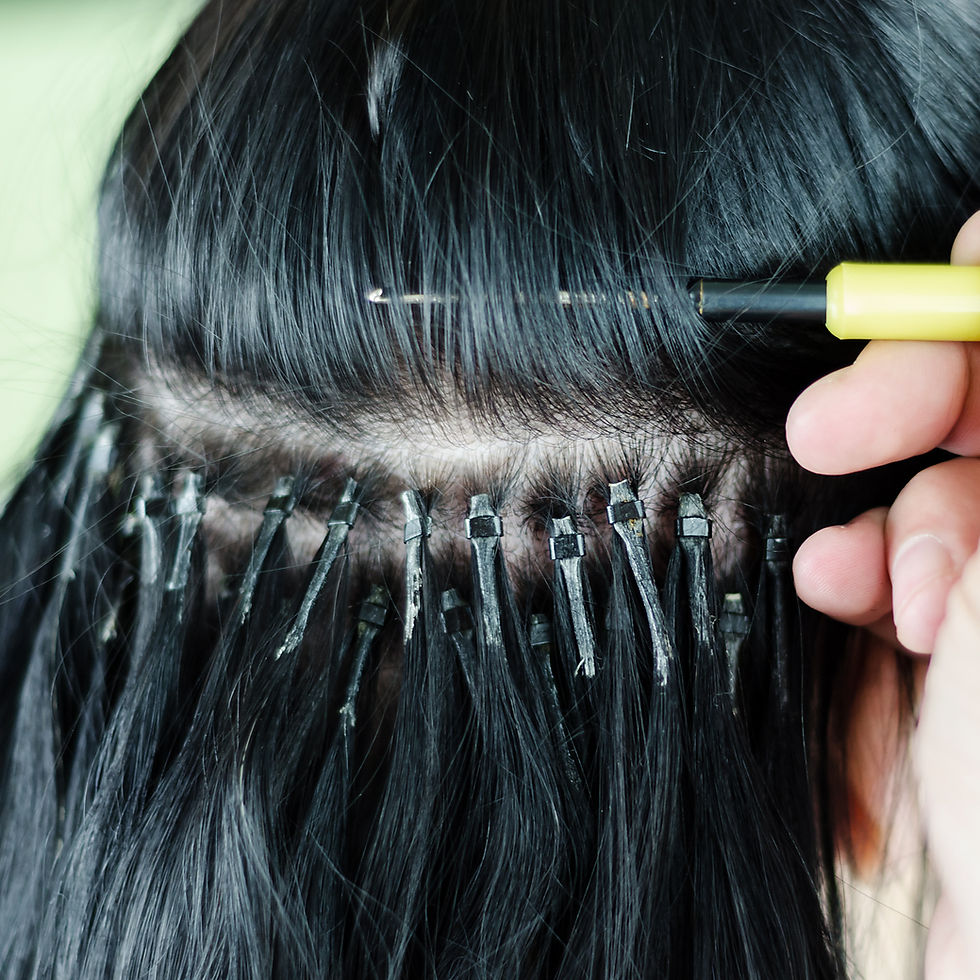
Without this knowledge, you are just "fitting a system." When a client returns with traction alopecia or scalp damage, many stylists don't have the scientific background to understand why it happened. This is where the bad press for our industry comes from.
The Solution: Science Over Systems
I decided to stop criticising and start educating. My course isn't about selling a specific brand of hair; it’s about the science and theory of hair integrity. It’s about empowering stylists with the "why" behind the "how."
We need to move away from "quick-fix" certifications and toward a standard of excellence that protects both the stylist’s reputation and the client’s hair health.
It is important to understand one thing: I am not selling hair. This isn't a course designed to get you to buy my brand or my products.
This is 100% about education. The principles of hair integrity, weight distribution, and follicle health that I teach apply to every single system you have ever trained in. Whether you use tapes, links, wefts, or bonds, this theory is the universal foundation you need to protect your clients and your reputation.



Comments